The Sacred Lotus
"No Mud, No Lotus" —Thich Nhat Hanh
DOI:
https://doi.org/10.33011/cuhj20265033Keywords:
Lotus, Buddhism, Lotus and Water Lily Festival, Self-Discovery, Inner PeaceAbstract
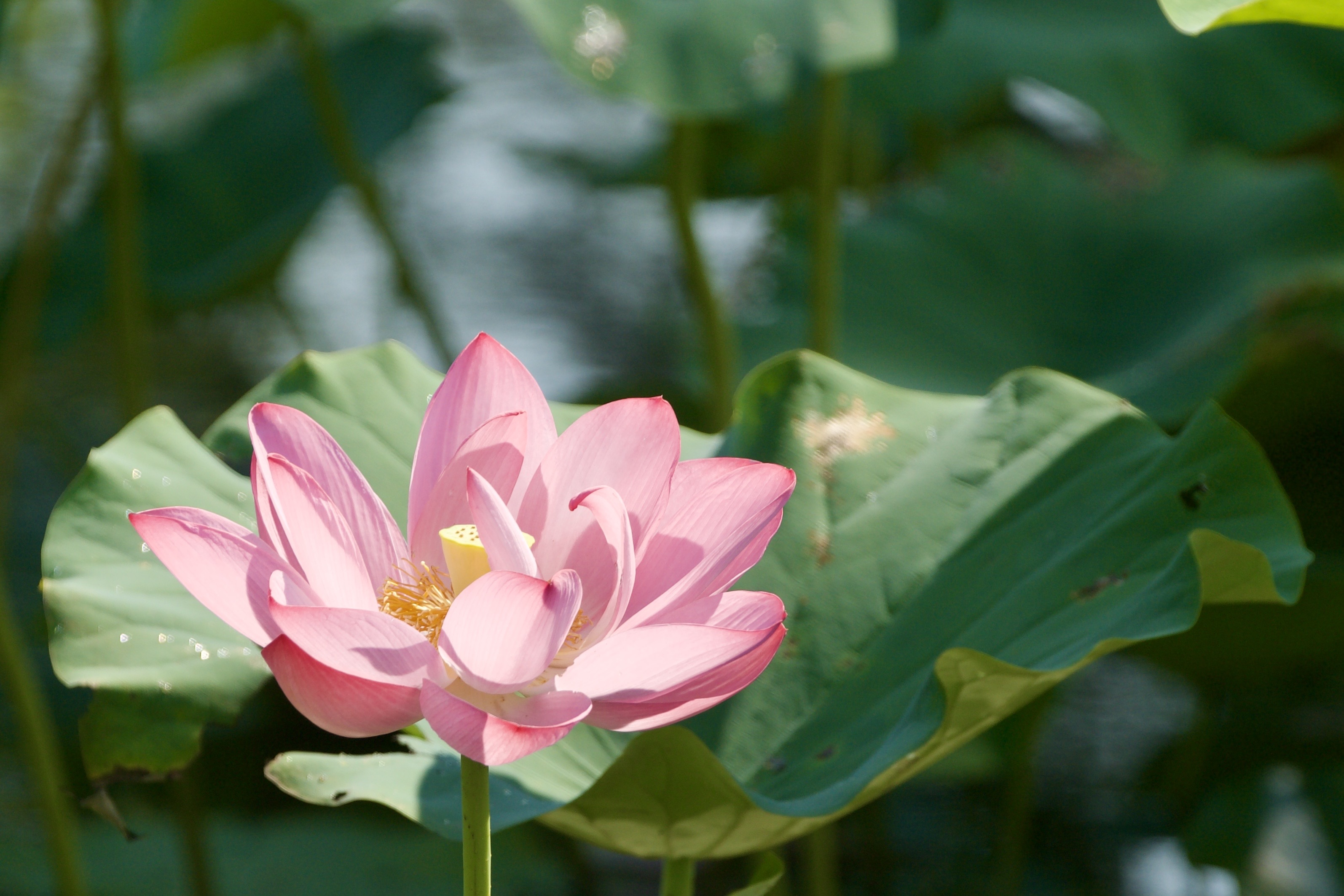
The Sacred Lotus (Nelumbo nucifera) is a symbol of enlightenment, rebirth, and transformation in Buddhist traditions. The plant begins its life rooted in muddy waters, enduring challenging conditions until it eventually blossoms above the surface. Though the flower is pure, it could not exist without the mud beneath it.
In Buddhism, the lotus’s journey to the surface represents the soul’s quest towards inner peace. The mud symbolizes the suffering that is inherent to human existence, which is often easy to feel “stuck” in. The lotus pushes on through the challenge, not seeking to escape it, but to embrace it in order to grow. Upon winter, it dies and begins the journey again the next season. Thus is the cycle of life, death, and rebirth.
While this photo was taken at the 2024 Lotus and Water Lily Festival, I have more recently been feeling attached to the lotus in my personal life. In the mud that is human existence, we must remember that we all have the same capability— and opportunity— to blossom into our own interpretation of the Sacred Lotus.
Downloads
Published
How to Cite
Issue
Section
License
Authors whose work is accepted and who publish with The University of Colorado Honors Journal agree to the following terms:
1. The Author retains copyright in the Work, where the term “Work” shall include all objects that may result in subsequent electronic or print publication or distribution.
2. Upon acceptance of the Work, the author shall grant to the Publisher the right of first publication of the Work.
3. The Author shall grant to the Publisher and its agents the nonexclusive perpetual right and license to publish, archive, and make accessible the Work in whole or in part in all forms of media now or hereafter known under a non-exclusive license, which grants the Journal the right to copy, distribute, and transmit the Work under the following conditions: a. Right of publication in the print format of the journal; b. Right of publication in the online and/or digital format of the journal; c. Right to use in promotional or other journal-related activities, as defined by the journal.
4. Upon Publisher’s request, the Author agrees to furnish promptly to Publisher, at the Author’s own expense, written evidence of the permissions, licenses, and consents for use of third-party material included within the Work, except as determined by Publisher to be covered by the principles of Fair Use.
5. The Author represents and warrants that: a. the Work is the Author’s original work; b. the Author has not transferred, and will not transfer, exclusive rights in the Work to any third party; c. the Work is not pending review or under consideration by another publisher; d. the Work has not previously been published; e. the Work contains no misrepresentation or infringement of the Work or property of other authors or third parties; and f. the Work contains no libel, invasion of privacy, or other unlawful matter.
6. The Author agrees to indemnify and hold Publisher harmless from Author’s breach of the representations and warranties contained above, as well as any claim or proceeding relating to Publisher’s use and publication of any content contained in the Work, including third-party content.
11-August-2014